Which Window Frame Material Holds Up Best in Inland Heat
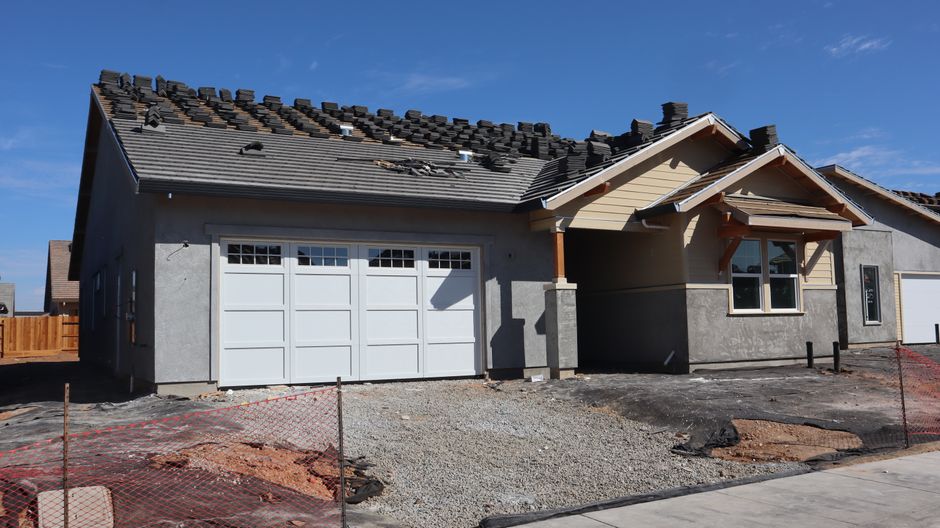
Four feet of frame run on a west wall in San Bernardino, CA moves a measurable amount between a cool dawn and a hot afternoon, and the material decides how much of that movement reaches the glass seal. The notes kept at replacement windows san bernardino host cell treat each frame material by how it moves, how it conducts heat, and how it ages. Every window replacement starts with those three questions.
Vinyl and Movement
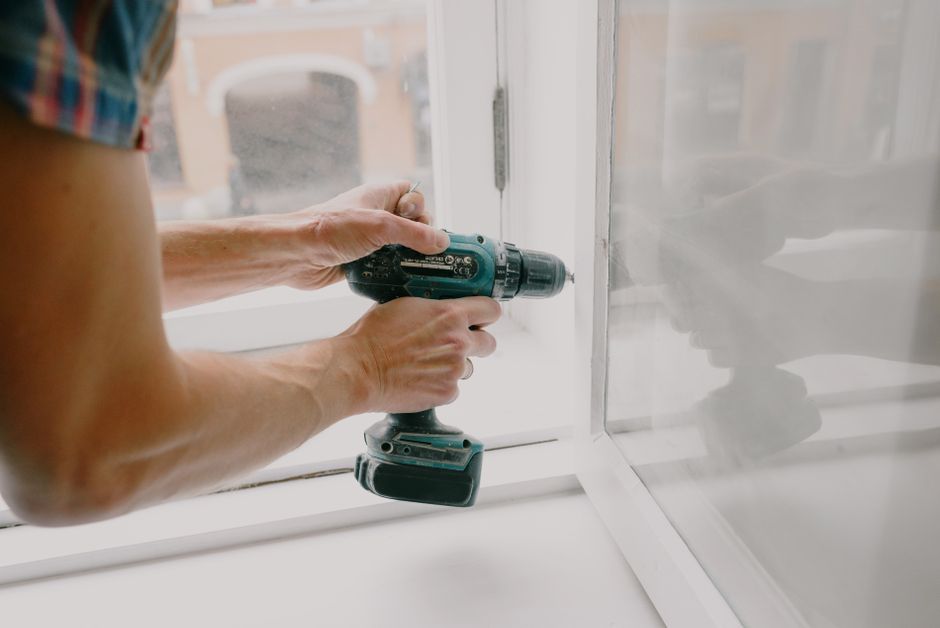
A vinyl window expands and contracts more with temperature than glass does. That mismatch is managed with welded corners and flexible glazing seals, which take up the difference instead of letting it load the glass. Color matters too. Dark vinyl absorbs more solar heat than white vinyl, and it can distort if the extrusion lacks heat reflective pigments or internal reinforcement. Vinyl does not melt in summer heat. Poorly built dark frames bow at the sash, and that shows up first as a lock that no longer pulls tight.
Fiberglass Frames
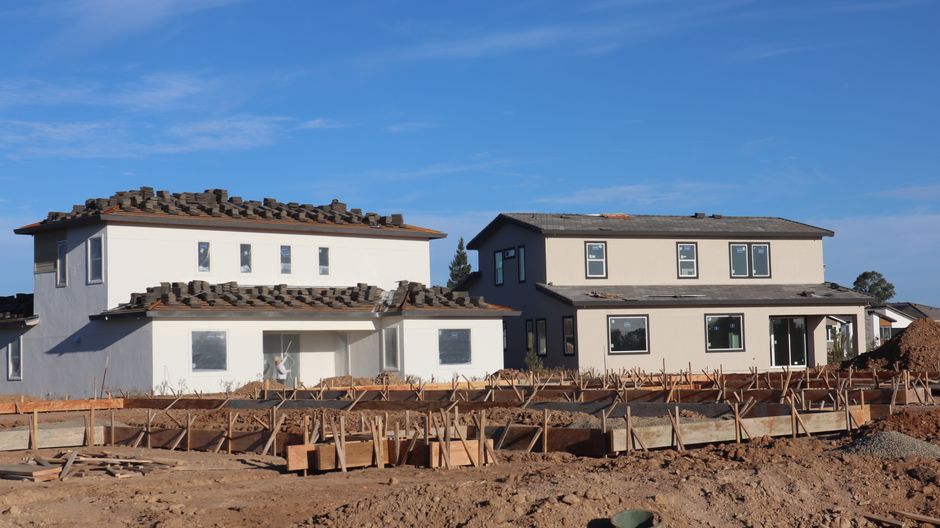
A fiberglass window expands at a rate close to that of glass. The seal between glass and frame sees less movement across a hot afternoon and a cool night, so the bond stays tight longer. That helps on large sashes, such as a wide slider or a tall casement on a south or west wall in Redlands or Loma Linda, where the swing in surface temperature is greatest.
Aluminum and the Thermal Break
Plain aluminum conducts heat readily, so the frame becomes a bridge between outside air and the room. A thermally broken aluminum window places a less conductive barrier between the inside and outside metal, and that barrier is the part that matters. Aluminum stays thin and strong, which suits big openings, but it is not always the most efficient choice. The break and the glass decide the result.
Wood and Clad Wood
A wood window insulates well, but it needs intact paint or cladding. Strong UV and dry air crack unprotected wood, and the damage usually starts on the sill and the sunny face of the sash. A clad window answers this with an exterior skin of aluminum or vinyl over a wood interior, shielding the wood from sun and weather while keeping the interior grain. Cladding still needs its joints checked, because a failed caulk line lets moisture in behind the skin.
Reading the Label
The NFRC label reports U-factor and solar heat gain coefficient for the whole unit, frame included, which allows fair comparison across materials. Use it instead of a brochure claim about frame type. Narrower frames show more glass, so the glass package often affects heat gain as much as the frame material does. An insulated glass unit with a double pane build and the right coating can outperform a better frame holding poor glass. Frame material alone does not decide how cool a room stays. Sun exposure, shading, and the glass specification across San Bernardino County all move the number, and the label is where they add up.