Replacement Windows in San Bernardino, CA
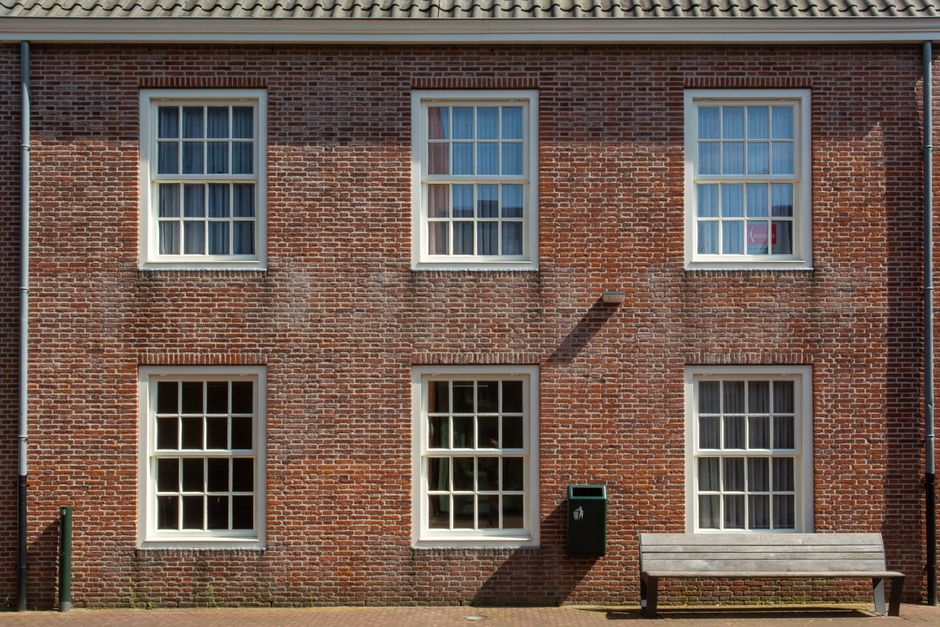
A plain guide to replacement windows in San Bernardino, CA, covering prep, frame and glass choices, stucco installs, inland heat, Santa Ana winds and dust, so homeowners in San Bernardino County can ask better questions.
What We Cover
- When Is the Best Time of Year to Replace Windows How summer heat, Santa Ana winds and cool nights affect sealants, scheduling and comfort during a window job.
- How Do I Compare Window Replacement Bids Fairly What to line up when reviewing quotes so frame, glass, install method and warranty are truly the same.
- Why Do My Windows Fog Up, Whistle or Let In Dust Common window failures in dusty, windy, sunny conditions, what causes them, and which ones mean replacement.
- Which Window Frame Material Holds Up Best in Inland Heat How vinyl, fiberglass, wood and aluminum frames react to strong sun and hot summers like those in San Bernardino.
- How Do I Get My Home Ready for Window Installers Simple steps to clear rooms, protect belongings, and plan around dust and heat before replacement windows go in.
- What Happens During a Retrofit Window Install on a Stucco Home How insert and full frame installs work on stucco walls, and why the method affects patching, flashing and look.
Replacement Windows in San Bernardino, CA
Replacement windows in San Bernardino are a retrofit job in most cases: the old unit comes out, the opening gets checked, and a new unit goes into the existing frame space. Summers run hot and dry across San Bernardino County, so glass, frame and seals all work hard. From Muscoy to Loma Linda to Redlands, the same basics apply.
Check NFRC labels on the product and get the warranty in writing. Those two documents are the way to verify what a window actually does.
Stucco, Movement and Dust
Many homes across the county have stucco exteriors, and stucco shapes how a window is installed. The crew works around the stucco edge, sets the new unit, and seals the perimeter so water and dust stay out. Neat sealant work matters more than most people expect.
The region sits near the San Andreas Fault, so frames and sealants should tolerate some building movement. Flexible sealant and a properly shimmed unit handle small shifts better than a rigid, overfilled joint.
Heat, Wind and Daily Wear
Inland heat is hard on frames, hardware and gaskets. Sun exposure on west and south walls shows wear first, which is why material choice and glass specs deserve attention in this area.
Santa Ana winds carry dust in season, and a worn seal lets it straight inside. Whistling, fogging between panes and gritty sills usually point to failed seals or poor fit. Whether a home is near Cal State San Bernardino, the old Arrowhead Springs Hotel grounds or a stretch of U.S. Route 66, the same checks apply.
Planning the Job
Good results start before the crew arrives. Clear the work areas, move furniture back from the openings, and know what the install steps will be. Timing also counts, since open window frames and extreme weather do not mix well.
Compare bids line by line: same product, same glass, same scope, same warranty terms. Differences in the written details tell more than the headline numbers do.
Guides
The guides on this site cover getting a home ready for installers, which frame material holds up best in inland heat, what happens during a retrofit install on a stucco home, the best time of year to replace windows, why windows fog up, whistle or let in dust, and how to compare window replacement bids fairly.
Latest Guides
Can New Windows Make a Room Quieter in San Bernardino?
2026-10-26
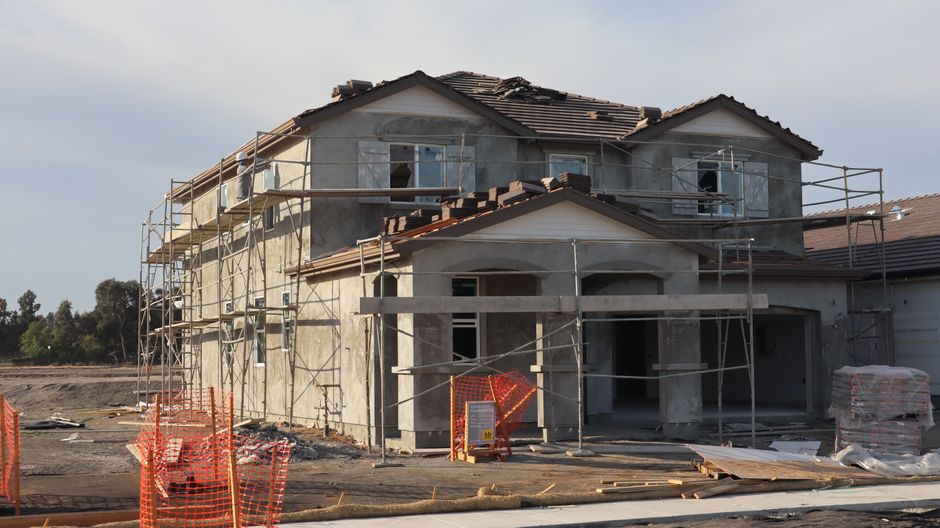
New windows can make a room noticeably quieter near a busy road, but only when the window is the weakest path for sound into the room and the glass is chosen for noise, not just for heat. Expect a reduction, not silence. Most homeowners describe the result as traffic turning into a background hum.
Find Out Whether the Window Is Your Problem
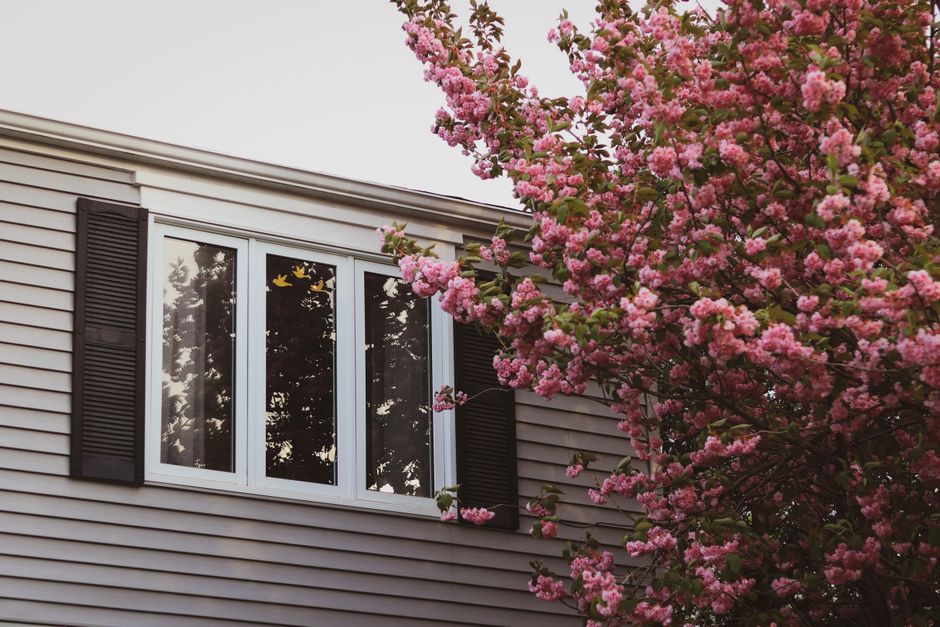
Before spending anything, run a simple listening test. Shut the windows, stand in the room, and move slowly along the walls. Listen near the window, then the door, the vents, and the outlets on exterior walls.
If the noise is loudest at the glass, new windows will help. If it seems to come from everywhere at once, glass alone will disappoint, because sound is getting in through the walls, the roof, or other gaps.
Why Freeway Noise Is Hard to Block

Traffic noise is mostly low frequency: tire roar, engine rumble, and diesel exhaust. Low pitches pass through glass and walls far more easily than voices or birdsong do. In San Bernardino, the corridors of I-215, I-10, and SR-210 carry heavy truck traffic, and routes feeding the Cajon Pass add to it. Homes near these roads deal with rumble more than with high pitched noise, and rumble is exactly what ordinary thin dual pane glass handles poorly.
Heavy truck rumble and motorcycle exhaust remain the hardest sounds to block, even with good acoustic windows.
The Glass Choices That Matter Most
Laminated glass
Laminated glass is the single most effective glass upgrade for traffic noise. It is two layers of glass bonded to a plastic interlayer, and that interlayer damps the vibration that passes straight through ordinary glass. Ask for laminated glass on at least one pane of every street facing unit.
Unequal pane thicknesses
Two identical panes resonate at the same frequency and let that band of sound through. Mixing thicknesses, or pairing one laminated pane with one standard pane, spreads out the weak spots. A dual pane unit with unequal panes usually beats one with matching panes.
Air space width
The thin gap in a typical dual pane window is designed for heat control, not sound. A wider air space helps more with low frequency noise. The narrow gap adds little acoustic benefit over a single heavy pane.
Triple pane is not automatic
Three panes with small, identical gaps can perform about the same as a well designed dual pane with laminated glass for traffic noise. Triple pane adds weight and expense without guaranteeing a quieter room.
Gas fill and film
Argon or krypton fill is a thermal feature. It should not be counted on to reduce traffic noise. Window film and curtains also do not come close to what acoustic glass delivers.
Read the Ratings the Right Way
Window labels often show an STC rating, which is weighted toward speech frequencies. For freeway sound, ask for the OITC rating, the Outdoor Indoor Transmission Class, which is weighted toward traffic and aircraft noise. OITC better predicts what you will hear from the road.
A high STC number alone does not guarantee good results against trucks. Also remember that ratings describe the glass or a lab tested window. Real results depend on installation.
Frame Style and Material Count
Casement and fixed (picture) windows press against their seals and generally seal tighter than sliders. Sliders are common in San Bernardino tract homes and rely on brush or pile weatherstrip that wears and leaks. On the noisiest wall, consider fixed or casement units where egress and ventilation rules allow.
Many local homes are stucco with original aluminum frames. Aluminum conducts vibration, and old aluminum sliders often leak air. Replacing them with vinyl, fiberglass, or wood frames with good seals usually improves both noise and comfort.
Installation Decides the Outcome
Any gap that lets air through lets noise through. A well rated window with gaps around the frame will underperform a modest window that is sealed tightly.
Insert versus full frame
Insert (retrofit) installations leave the old frame in the stucco wall. The gap between the new and old frame must be filled and sealed with backer rod and sealant or low expansion foam, inside and out. An unsealed perimeter gap undermines the acoustic glass.
Full frame replacement means cutting back stucco and redoing the flashing and weather barrier. It gives the best chance at a fully sealed opening but is more invasive. Ask the installer which method is planned and how the opening will be sealed.
Check your current leaks
Look for daylight around the sash, worn weatherstripping, and loose meeting rails, and feel for drafts on a windy day. Santa Ana winds push fine dust through any leak, so dust lines on sills or around frames after a wind event show where the gaps are. A window sealed well enough to keep that dust out is usually better at keeping noise out too.
Why Closed Windows Make This Worth It
Hot inland summers keep windows shut and air conditioning running for long stretches, which makes acoustic windows more useful here than in a mild climate where windows stay open. An open window cancels any glass upgrade completely. The noise reduction only exists while the sash is closed and locked.
Side Benefits Worth Knowing
- Laminated glass holds together when broken, because shards stick to the interlayer. Near the San Andreas Fault, that is a useful extra for bedrooms. It is not unbreakable and it does not make a home earthquake proof.
- Laminated glass blocks most ultraviolet light, which reduces fading of floors and furniture in sunny south and west facing rooms.
- Acoustic glass can be paired with the right low E coating, so quieter glass does not have to mean giving up solar heat control on sun exposed walls.
Check the Other Noise Paths
New windows will not fix noise coming through walls, doors, vents, or the roof. After the windows are done, any of these can become the new weakest link:
- Exterior doors with hollow cores or worn sweeps
- Wall or through wall AC units
- Fireplace flues
- Attic and gable vents
- Unsealed electrical boxes on exterior walls
Spend Where It Pays Off
Bedrooms facing the road usually give the biggest payoff per window. Upgrading only the street facing side is a reasonable plan when the back of the house faces quieter streets.
Near hillside and pass adjacent areas such as Verdemont, sound from elevated or grade climbing truck traffic can carry a long way. Walls, landscaping, and window orientation all play a part there, not just the glass, so set expectations accordingly.
Get It in Writing and Inspect the Work
Ask the installer for the exact glass makeup of the street facing units in writing: pane thicknesses, laminated or not, air space width, and gas fill. That lets you confirm you received the acoustic package you paid for. The glass spacer often carries a stamp you can check.
Before final sign off, confirm that each sash closes and locks fully, that weatherstripping is continuous, and that the interior trim and exterior perimeter are sealed with no gaps. Then listen again at the same time of day as your original test. Comparing the two is the most honest measure of what the new windows did.

Should You Replace a Sliding Patio Door With Your Windows in San Bernardino?
2026-10-26
Yes, in most cases you should replace a worn sliding patio door at the same time as your windows, because the door is usually the largest piece of glass in the house and the one that undermines the rest of the upgrade if it stays. The exception is a door that only needs a tune-up. Sorting out which category yours falls into is the first step.
First, Decide Whether the Door Really Needs Replacing
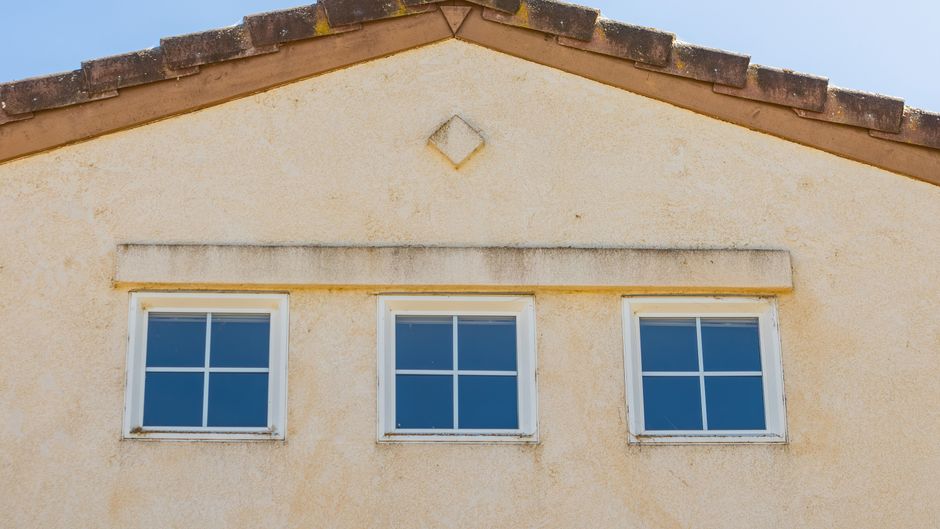
A slider that drags, sticks, or jumps the track often needs nothing more than new rollers and a thorough track cleaning. That is a repair, and it should be ruled out before anyone talks about a new door.
Replacement becomes the better call when you see any of these:
- Fogging between the panes
- A bent or corroded frame
- A cracked threshold
- Daylight around a closed panel
Check the glass too. Patio door glass should be tempered, and each pane carries a small etched mark in one corner. If an older door has no mark, that is one more reason to replace it.
Why the Door Belongs in a Window Project
It is the biggest hot spot and cold spot
In many older San Bernardino ranch homes, the back slider is a single pane aluminum unit. Replace every window and leave that door alone, and the largest expanse of glass in the house still bakes in summer and chills the room on winter nights. The new windows then get blamed for results the old door is causing.
Matching is easier in one order
A door ordered in the same product line and production run as the windows will share frame color, profile, grid style, and glass tint. Order the door years later and small differences can show up, especially beside windows that have spent years in inland sun. No brand guarantees an exact match, but ordering together gives the best odds.
One disruption instead of two
Bundling means one crew visit, one round of interior trim and paint touch-up, and one cleanup. If the budget forces phasing, write down the exact product line, color, and glass package so the door can be matched later.
Choose Glass by the Direction the Door Faces
A west or south facing door takes heavy afternoon sun. For those, ask for a Low E coating with a low solar heat gain rating. That rating appears on the label stuck to the glass, so compare labels rather than leaning on brand descriptions. A door facing north or sheltered by a patio cover can often take a different glass package than the sunniest window in the house, so the door does not have to copy the windows exactly.
Triple pane glass is not necessary in this climate, and Low E coatings do not make rooms noticeably dark. Dual pane with the right coating is the practical target.
Santa Ana Winds and Dust
Wind funneling down through the Cajon Pass drives dust into tracks and pushes air past weak seals. A slider takes the brunt of it because it has a long track and a meeting point between two panels. When comparing doors, look at:
- The air leakage and design pressure ratings on the label
- A solid interlock where the two panels meet
- Full weatherstripping on all sides
A tighter door also pays off on smoke and dust days, not only on cooling bills. The difference is noticeable during wildfire smoke and wind events.
The Stucco Question
Most local homes have stucco exteriors, so the installer has two basic methods, and you should know which one is in your quote for the windows and the door alike.
- Retrofit (insert): The new frame goes inside the old one. It is less invasive, but it slightly reduces the glass opening.
- Full frame removal: The stucco is cut back and patched. This allows new flashing and a full size opening, but it takes more time and adds patch work.
Do not assume retrofit means no flashing is needed. Ask how water is managed either way.
Ask About the Sill Pan
Water at slab level comes from sprinklers, patio washdown, and the occasional heavy winter storm. A door with no sill pan or sill flashing can wick moisture into the subfloor edge or the interior flooring. Ask specifically what goes under the door, and ask it before the order is placed.
Check the Opening Before Ordering
Square, level, and size
Slabs in older neighborhoods can settle. An out of level floor makes even a new slider roll open or closed by itself unless the installer shims for it. A new door will not fix a settled or uneven slab, so expect the installer to work around it rather than cure it.
Common slider widths are standard, but older or remodeled openings may not be. A nonstandard opening can mean a custom size, a longer lead time, or a change to the framing. Measure early so that surprise does not land on install day.
Which panel slides
Stand inside the house and confirm which panel slides and which is fixed. Getting this backwards on the order is a common and avoidable mistake.
Hardware, Security, and Screens
Rollers
Rollers are the part that wears out first. Heavy dual pane panels chew through cheap ones quickly. Ask what the rollers are made of, whether they are tandem (two wheels per corner), and whether they can be adjusted and replaced later without removing the panel.
Security
Older sliders could often be lifted off the track from outside. Ask about multi point locks, anti lift blocks or clips in the head track, and an optional foot lock.
The screen
Treat the screen as its own decision. Standard screens bend and jump the track. With pets or heavy daily use, ask about a heavy duty or pet resistant screen when you order.
Local Factors Worth Weighing
Seismic installation
San Bernardino sits near the San Andreas Fault, so installation quality matters. Ask that the frame be shimmed and fastened into the surrounding framing following the manufacturer's instructions. A properly anchored, square frame is more likely to keep operating after the house flexes.
Foothill fire exposure
In areas such as Verdemont near the foothills, dual pane tempered glass handles radiant heat better than old single pane glass. The frame, screens, and nearby vegetation still matter, so glass is one part of the picture.
Older homes
Homes built before 1978 may have lead paint on the trim around the old door. Ask the installer how dust will be contained during removal.
Layout and Finishing Details
Switching to a hinged French door changes the room. A slider needs no swing space, but a French door does, so check furniture, rugs, and patio clearance first.
Also plan the window coverings before install day. New handles and frames can sit at different depths than the old ones, and vertical blinds or shutters may need adjusting or replacing.
Keeping the New Door Working
A little routine care protects the investment:
- Vacuum the track regularly and after every wind event
- Keep weep holes clear
- Use a dry or silicone lubricant rather than grease, which holds dust and grinds the rollers
A Simple Way to Decide
If the door shows fogging, frame damage, a cracked threshold, or gaps, fold it into the window order and specify glass for the direction it faces. If it only sticks, try rollers and a track cleaning first. In either case, get the installation method, sill pan, and anchoring details in writing before the work begins, so the door and windows are judged on the same terms.
Nearby Service Areas
We also cover Carlsbad replacement windows carlsbad, ca.